DBT Skills for the Holidays: Coping With Stress, Triggers, and Emotional Overwhelm

Updated: Jan 25

DBT Skills for the Holidays
Take care of yourself this holiday season. Most of us on planet earth have suffered loss and disappointment, we have all had the experience of being shafted by someone we thought we could trust....and we live with the anger and loneliness this brings. Perhaps we feel like our lives are not how we thought things would turn out....We sure don't look like the influencers on social media. We imagine they make tons of money off views...um...realistically, probably not?
You know what? All of that and all of who you are and what you have now is all ok. You are ok. Normal. Normal encompasses a wide range of lifestyles. Being angry and bitter sometimes is part of being normal. But being angry and bitter is not a healthy and productive way to live. Accepting reality and accepting your anger doesn't mean you stop learning to manage your emotions or stop growing as a person.
That's the dialectic: multiple things are true at once.
You recognize there are things that are unfair about reality, you recognize you are angry and that's ok. And you strive to move towards accepting that there are things that you have no control over, things that you cannot change, accepting reality for what it is, to grow as a person, and be happy anyway. This is an expansion of your emotional intelligence.

During the holidays, the pressure from social gatherings, financial strains, loss of loved ones, and dashed expectations involving friends and family intensifies and can build up feelings of overwhelm. The holiday season, while often celebrated as a time of joy, togetherness, and festivity, can paradoxically also serve as a catalyst for stress, anxiety, and a range of emotional challenges.
So, make the decision to take care of yourself this holiday season by managing your emotions, doing what you want to do, and loving yourself. Create your own form of holiday, throw out the rule book. You do you.
Dialectical Behavior Therapy (DBT) skills have helped alot of people manage their emotions and come to a place of self-acceptance and radical acceptance, even when emotional difficulties are exacerbated during the holiday season.
By incorporating these skills into daily life, individuals can cultivate resilience and enhance their emotional well-being. Below are some key DBT skills to consider during this potentially tumultuous time.
Mindfulness
Mindfulness is a foundational skill in DBT that encourages you to remain present in the moment, observing their thoughts and feelings without judgment.
During the holiday season, practicing mindfulness can help you to fully engage in the joyous moments while also acknowledging and accepting any stress or discomfort you may experience.
Mindful techniques can ground you, help keep you in the moment and provide a sense of peace amidst the chaos:
focused breathing
body scans
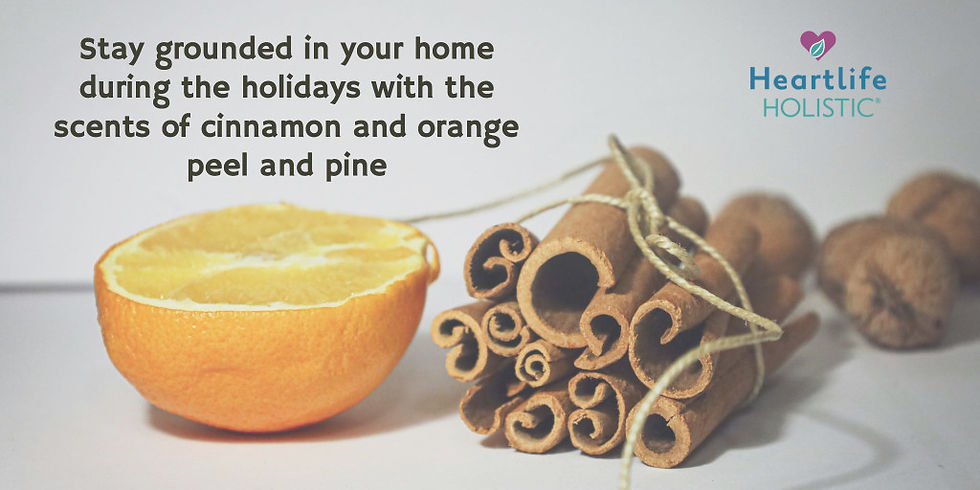
simply taking a few moments to notice the sights, sounds, and smells around
Distress Tolerance
Distress tolerance skills are essential for managing overwhelming emotions and situations that may arise during the holidays. These skills equip you with tools to cope with distressing feelings without resorting to harmful behaviors.
Some useful distress tolerance techniques are:
self-soothing using your senses
listen to music
enjoy a warm drink
take a wrm bath
distraction
engage in a hobby
spend time with friends
walk the dog
be in nature
radical acceptance
acknowledge and accept the reality of the situation, including any family dynamics or stressors that may arise.
focus on what you can control
let go of what you cannot change.
without judgment
For instance, when faced with family conflict or the pressure of social obligations, individuals can practice self-soothing by engaging in comforting activities, such as taking a warm bath, listening to music, or going for a walk.
Radical acceptance involves acknowledging the reality of a situation without judgment, which can help reduce frustration and emotional pain.
Radical Acceptance
Radical acceptance is a profound psychological concept that encourages individuals to embrace reality as it is, without resistance or denial.
This practice is rooted in the understanding that suffering often arises from our refusal to accept certain aspects of our lives, whether they be emotional pain, difficult circumstances, or challenging relationships.
Accept the reality of the situation, including any family dynamics or stressors that may arise.
Focus on what you can control and let go of what you cannot change.
By fully acknowledging and accepting these realities, we can cultivate a sense of peace and resilience that allows us to navigate life's complexities with greater ease.
At its core, radical acceptance involves recognizing that while we may not have control over certain situations or experiences, we do have control over our responses to them.
This concept is particularly valuable in situations where change is impossible, such as dealing with chronic illness, loss, or trauma. Instead of engaging in a futile struggle against the inevitable, radical acceptance invites us to let go of our resistance and find a way to coexist with our circumstances.
Emotion Regulation
Emotion regulation skills focus on understanding and managing intense emotions, which can be heightened during the holiday season.
Learning to identify triggers and recognizing the body’s emotional responses can empower individuals to respond more effectively to challenging situations.
Emotion regulation skills Skills such as checking the facts, opposite action, and problem-solving can help individuals navigate their feelings.
Identify and label your emotions to gain better control over them.
Implement opposite action by engaging in activities that counteract negative feelings, like socializing when feeling lonely
Check the facts
Opposite action - do the opposite of what your overwhelming feelings are telling you to do
Problem solve - what else can be done to improve the moment
For example, if someone feels overwhelmed by the demands of the season, they can practice checking the facts to assess whether their feelings are based on reality or assumptions. This process can help clarify whether their emotional responses are warranted and guide them in finding constructive solutions.
Interpersonal Effectiveness
Interpersonal effectiveness skills are crucial for maintaining healthy relationships and setting boundaries, particularly during the holiday season when social interactions can become strained. These skills help individuals communicate their needs and desires assertively while also being respectful of others.
Set clear boundaries with family and friends to protect your emotional well-being.
Practice assertive communication to express your needs and feelings effectively.
Learning to say no, expressing feelings honestly, and negotiating solutions are vital components of this skill set.
For instance, if an individual feels overwhelmed by multiple holiday invitations, they can use these skills to communicate their limitations clearly, ensuring they maintain their well-being without sacrificing important connections.
Practice Self-Care
Utilizing these DBT skills can help you manage the emotional ups and downs of the holiday season. Remember to be kind to yourself and seek support when needed.
Prioritize self-care routines, including regular exercise, healthy eating, and sufficient sleep.
Engage in activities that bring you joy and relaxation, such as reading or spending time outdoors.
Conclusion
In conclusion, while the holiday season can be a time filled with joy and celebration, it is also important to recognize and address the emotional challenges it can bring.
By utilizing the various skills offered through Dialectical Behavior Therapy, you can navigate the complexities of this season with greater ease and resilience.
Embracing mindfulness, distress tolerance, emotional regulation, radical acceptance and interpersonal effectiveness can empower you to create a more balanced holiday experience, feeling self-respect and allowing you to enjoy the festivities you choose while also caring for your mental health.
You don’t have to use every skill or get it “right.” Choosing one small, supportive step at a time is often enough to protect your emotional well-being and help you move through the season with more balance and compassion.
If you need some more support during the busy holiday season, don't be afraid to reach out. Kathy Morelli, LPC, is currently accepting new clients and only practices using the HIPAA-compliant app called Doxy.me. Kathy accepts most insurance plans.
Please contact Kathy via her Psychology Today profile.