
Book Review: Broken Pieces by Rachel Thompson
Updated: Feb 12

As a therapist who specializes in trauma and post-traumatic stress, I am attentive to the ways survivors reclaim their voices and I love to read their stories of survivorship.
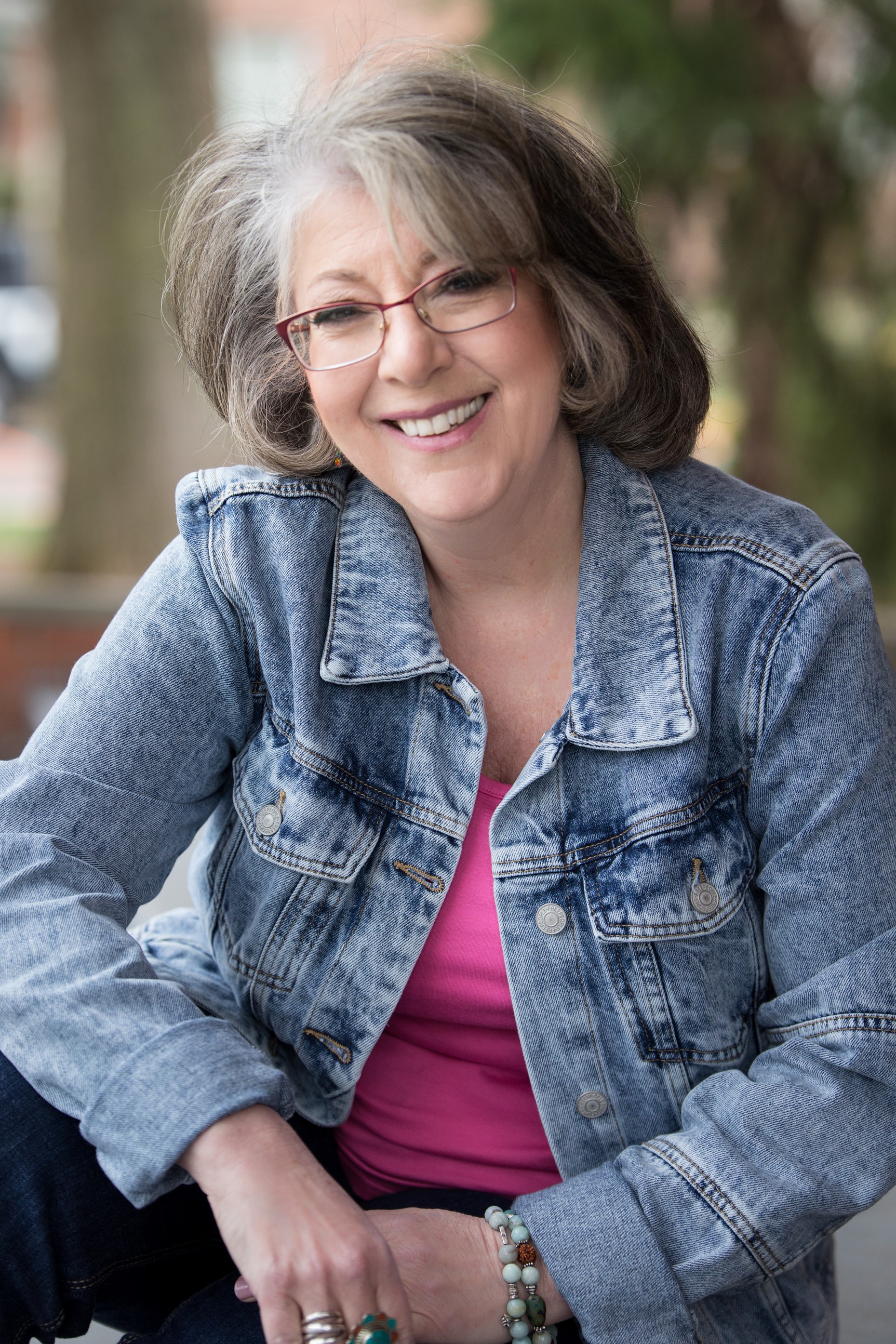
Rachel Thompson: survivor and advocate
Rachel Thompson’s Broken Pieces: Essays Inspired by Life is not a linear memoir. It is a lyrical collection of essays and poetic reflections that trace a survivor’s emotional landscape across time.
Thompson writes not only about what happened to her, but about how trauma reverberates — through identity, sexuality, intimacy, shame, and eventually healing.
Ms. Thompson experienced her first rape at the age of 12, when, she says, Barbies and Raggedy Ann pajamas were supposed to be her first concern. And her life story as a young American woman reflects the real issue of how American society accepts violence against women.
Rachel Thompson is a sexual abuse survivor herself and an advocate for others. Through her advocacy work, she has given a voice to sexual abuse survivors who have been silenced. Hers is a positive story as she slowly builds a loving life for herself with her own husband and family.
A story for many survivors
Rachel Thompson's story is not only her story. It’s many women’s and many men’s stories. It’s about pulling the veneer off of America’s pervasive rape culture. The definition of rape culture is a pathological social environment where rape is pervasive and condoned, where rapists are excused and women are held responsible for being raped (Ullman, 2010).
Literally decades of research show that 15% to 30% of women have experienced attempted or completed sexual assault and over half of all first rapes occur before the age of 18.
Research consistently shows that social response matters. When survivors are believed and supported, recovery strengthens. When they are dismissed or blamed, trauma symptoms can deepen. I explore this dynamic further in Sexual Assault, Power, and the Psychology of Disclosure.
Trauma and the arc of becoming
The narrative detail of her early sexual assault is a small part of the book, but we feel it reverberate throughout her experience of men, love, sex and becoming a parent.
Ms. Thompson’s story is a complex portrait of the coming of age of a young girl as she matures into an adult woman. The work unfolds across many years. It depicts her slow movement towards self-love, developing her ability to love another person and create a family of her own.
Sexuality after trauma
Ms. Thompson portrays adult sexuality, desire and romantic attachment with sensual honesty. This is important. Survivors are often culturally framed as permanently damaged or disconnected from sexuality.
Her writing challenges that narrative.
Yet, sexuality after trauma is complex. It may carry fear, ambivalence, hyper-vigilance, or heightened sensitivity. But it can also hold pleasure, agency, and reconnection.
The book does not romanticize trauma. It illustrates how trauma and sexuality can become entangled — and how disentangling takes time.
Meaning-making and agency
One of the most powerful elements of Broken Pieces is its refusal to reduce the author to her trauma.
Not everything that happens has a cosmic explanation. Some events are random, unjust, and deeply painful.
What survivors can shape is meaning.
Viktor Frankl wrote that while we may not control our circumstances, we retain the capacity to determine our response to them. Thompson’s essays reflect that gradual shift — from fragmentation toward integration.
The “broken pieces” are not discarded. They are acknowledged, examined, and slowly woven into a coherent self.
Ms. Thompson’s work is beautiful, positive, meaningful and speaks to the emotional life.
Rooms, a poem
Rooms is one of her poems that captures her bittersweet and universal experiences
Women have rooms inside of us men cannot fathom. It’s where we store the depths of the hurt we’ve been dealt. Where we store the deep love we never want to lose…. ….We fold our stories inside ourselves. We unwrap them when nobody is looking….. ….We carry former lovers, long lost, inside our limbs. We feel their caresses, remember exactly how their tongues entwined with ours as our bodies melted, their eye on ours as they entered us; even our cells remember the exquisite burn. A woman never forgets, though she may learn to love another …..
Closing
Broken Pieces is a beautiful, lyrical work of art which isn’t written in a typical format of linear prose. Rather, it’s a collection of poetic essays and poems that describes Ms. Thompson’s emotional life in a right brain, experiential manner.
Broken Pieces is ultimately about voice.
About refusing erasure. About naming what happened. About slowly rebuilding a life that feels chosen rather than imposed.
For survivors of sexual assault, the book may resonate deeply. For clinicians, it offers a window into the interior emotional world of trauma recovery.
Ms. Thompson is truly an artist as well as an activist.


