

Post-Traumatic Stress Disorder (PTSD)
PTSD & Trauma Recovery
PTSD and trauma affect more than thoughts and memories — they shape the body, brain, and nervous system.Long after a traumatic event has passed, the nervous system may remain on high alert, leading to symptoms such as hypervigilance, sleep disruption, emotional flooding or numbness, and a persistent sense of threat.
This Trauma & PTSD Recovery space is grounded in a bottom-up, nervous-system-informed approach to healing. Rather than asking “What’s wrong with me?”, we begin with understanding how the body learned to survive — and how safety, regulation, and choice can be restored over time.
Here you’ll find education and resources that help make trauma responses understandable and reduce shame, alongside gentle, trauma-informed practices that support recovery. Healing is approached with pacing, compassion, and respect for each person’s lived experience — recognizing that recovery is not about erasing the past, but about reclaiming a sense of steadiness, meaning, and agency in the present.
The No, It’s Not All In Your Head series explores the relationship between trauma, the nervous system, emotional experience, and the body. These articles examine how trauma can affect physiology, memory, regulation, and healing through a trauma-informed, nervous-system-centered lens grounded in integrative mental health care.
Explore the "No, It’s Not All In Your Head" Series:
Part One: No, It's Not All in Your Head
An overview of common PTSD symptoms and lived experiences, reframing them as nervous-system responses rather than personal weakness.
Part Two: No, It's Not All in Your Head - The Neuroplatform of Emotion
Explores how trauma shapes the underlying neurobiological platform that influences emotional responses outside conscious awareness.
Part Three: No, It's Not All in Your Head - The Vagus Nerve
Examines the role of the vagus nerve and polyvagal theory in trauma responses, including patterns of safety, mobilization, and shutdown.
Part Four: No, It's Not All in Your Head - Memory Encoding
Explains how traumatic experiences are encoded differently in the brain than everyday memories, and why trauma can feel present long after danger has passed.
A Gentle Reminder
Healing from PTSD does not require understanding neuroscience. Many people recover through safety, relationship, somatic support, meaning, or time.
This series is simply here for those moments when knowledge itself feels grounding.
If you’re looking for practical tools or supportive approaches, you may wish to return to the broader PTSD Hub for coping-focused resources.
Latest Insights + Articles

Finding Wise Mind During Cancer: Balancing Emotion and Reason in Hard Times
A cancer diagnosis — whether newly discovered or long managed — brings a wide and often overwhelming range of emotions. Anger. Rage. Despair. Anxiety. Helplessness. Sadness. All of these are normal. There is nothing “wrong” with you for feeling deeply during a medical crisis. In fact, strong emotions are part of a healthy human response to threat, uncertainty, and loss. There is nothing “wrong” with you for feeling deeply during a medical crisis. In fact, strong emotions are part of a healthy...

DBT Skills for the Holidays: Coping With Stress, Triggers, and Emotional Overwhelm
Take care of yourself this holiday season. The holiday season, while often celebrated as a time of joy, togetherness, and festivity, can paradoxically also serve as a catalyst for stress, anxiety, and a range of emotional challenges.

Cognitive Behavioral Therapy: Healing for Your Whole Self
Many of the thoughts that cross our minds each day are automatic negative thoughts (ANT). Over time, this cognitive loop starts feeding a cycle of self-doubt and worry that's hard to break. It can leave you feeling drained, anxious, or disconnected from the things that usually bring you joy.

DBT Inspired Crafts: Shine on! Create Your Unique Version of Your Holiday
The holiday season is a time for celebration, warmth, and togetherness. Dialectical Behavioral Therapy skills teaches us to use our senses to self soothe, to keep grounded in the here and now, in order to manage feelings of anxiety.


_pdf.png)
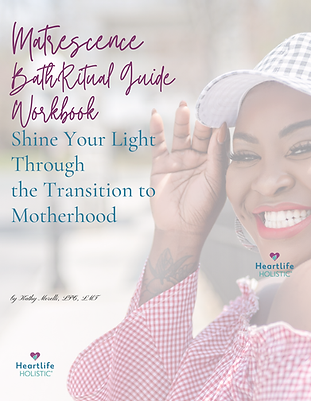
Matrescence Bath Ritual Guide & Workbook
A guided ritual for rest, reflection, and nervous system support during the transition into motherhood.
Motherhood changes us emotionally, physically, relationally, and spiritually. Yet many women move through this profound developmental transition without space to pause, reflect, or tend to themselves with care.
The Matrescence Bath Ritual was created as a gentle companion for this season of change.
This offering includes:
an 8-minute guided Matrescence reflection
a beautifully designed ritual guide & workbook
prompts for emotional processing and identity reflection
nervous system–supportive self-care practices
a quiet space to pause during the transition to motherhood