

Somatic Practices
Somatic practices such as Somatic Experiencing, somatic tracking, and other body-oriented trauma approaches, are body-oriented, psychophysiological approaches that support trauma integration and relational healing through direct attention to sensation, posture, breath, and embodied awareness. Rather than working only through cognition, these methods engage bottom-up processes that influence how experience is held and metabolized in the body. Over time, somatic work strengthens capacity for regulation, connection, and resilience and helps down-regulate an over-active nervous system.
This somatic approach reflects an integrative mental health approach that works with both mind and nervous system rather than techniques alone.
Somatic Practices are one of several body-based practices explored in our Mind–Body & Somatic Therapies pillar, which focuses on supporting nervous system regulation through gentle, embodied tools.
Somatic Practices strive to build the skills of introception and proprioception...body-based awareness.
Latest Insights + Articles


Radical Acceptance: A DBT Skill for Reducing Emotional Pain
Radical acceptance means embracing the present moment and reality as it is, without trying to change it or deny it. It involves recognizing facts, feelings, and situations—even painful or uncomfortable ones—without judgment or avoidance. This concept originates from Dialectical Behavior Therapy (DBT), developed by Marsha Linehan, who emphasized acceptance as a key skill for managing emotional distress.
_pdf.png)
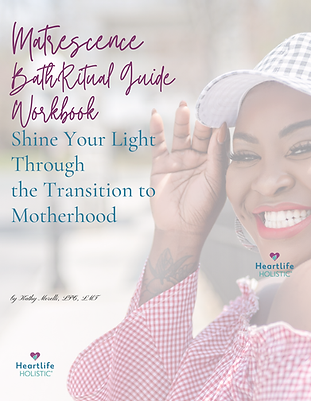
Matrescence Bath Ritual Guide & Workbook
A guided ritual for rest, reflection, and nervous system support during the transition into motherhood.
Motherhood changes us emotionally, physically, relationally, and spiritually. Yet many women move through this profound developmental transition without space to pause, reflect, or tend to themselves with care.
The Matrescence Bath Ritual was created as a gentle companion for this season of change.
This offering includes:
an 8-minute guided Matrescence reflection
a beautifully designed ritual guide & workbook
prompts for emotional processing and identity reflection
nervous system–supportive self-care practices
a quiet space to pause during the transition to motherhood