

Understanding Narcissistic Relationships
Understanding Narcissistic Relationships
Some forms of emotional harm unfold gradually and can be difficult to recognize while you’re inside them. People often describe feeling confused, unsettled, or unsure of their own perceptions long before they name what’s happening. This page gathers Integrative Mental Health articles that explore narcissistic relationship patterns with an emphasis on education, reflection, and recovery—without rushing to labels or decisions.decisions.
An Integrative Mental Health Perspective
From an integrative mental health lens, healing begins with understanding. Rather than focusing on diagnoses or blame, these articles look at how emotionally manipulative dynamics affect self-trust, nervous system regulation, and a sense of safety in relationships. Education can help restore clarity and support thoughtful, self-directed choices over time.
What You’ll Find in This Series
The articles in this collection explore topics such as:
noticing relationship patterns that feel confusing or destabilizing
understanding common narcissistic tactics like gaslighting, triangulation, love bombing, and stonewalling
making sense of mixed emotions and ambivalence
rebuilding self-trust and emotional stability
considering boundaries or next steps only when readiness has formed
Latest Insights + Articles


Radical Acceptance: A DBT Skill for Reducing Emotional Pain
Radical acceptance means embracing the present moment and reality as it is, without trying to change it or deny it. It involves recognizing facts, feelings, and situations—even painful or uncomfortable ones—without judgment or avoidance. This concept originates from Dialectical Behavior Therapy (DBT), developed by Marsha Linehan, who emphasized acceptance as a key skill for managing emotional distress.
_pdf.png)
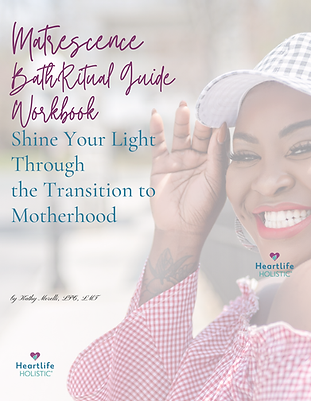
Matrescence Bath Ritual Guide & Workbook
A guided ritual for rest, reflection, and nervous system support during the transition into motherhood.
Motherhood changes us emotionally, physically, relationally, and spiritually. Yet many women move through this profound developmental transition without space to pause, reflect, or tend to themselves with care.
The Matrescence Bath Ritual was created as a gentle companion for this season of change.
This offering includes:
an 8-minute guided Matrescence reflection
a beautifully designed ritual guide & workbook
prompts for emotional processing and identity reflection
nervous system–supportive self-care practices
a quiet space to pause during the transition to motherhood