

Mindfulness & Movement Practices
Mindfulness is not about clearing the mind or forcing calm. In this guide, mindfulness is understood as a practical, nervous system–informed way of noticing experience with steadiness, curiosity, and compassion.
Mindfulness and movement practices build embodied awareness through attention, breath, and physical rhythm. These approaches, such as Mindful Walking, Mindful Driving, Mindful Eating, Pilates, yoga, Tai Chi.. all support emotional steadiness, stress recovery, and integration by engaging both mind and body in coordinated practice. Over time, repetition strengthens capacity for presence, flexibility, and regulation.
Mindfulness practices are used to support emotional regulation, trauma recovery, and resilience across the lifespan. These practices are grounded, accessible, and adaptable—especially for people who feel overwhelmed, disconnected from their bodies, or unsure where to begin.
This mindfulness guide reflects an integrative mental health approach that works with both mind and nervous system rather than techniques alone.
Mindfulness & Movement is one of several body-based practices explored in our Mind–Body & Somatic Therapies pillar, which focuses on supporting nervous system regulation through gentle, embodied tools.
Most people struggle to manage their emotions and that is ok.
Mindfulness is a skill that is low cost, effective and supports positive relationships with yourself and others.
Latest Insights + Articles


Most Popular Posts of 2018
Originally posted January 9, 2019. Happy reading! Thank you to my loving readers for visiting my humble blog! Looking back at the dynamic range of topics in the BirthTouch® blog, that touch on mental health and mindbody therapies, I thought I’d share the most popular blogs of the year. 1. DBT STOP & TIP Skills: Life is worth living even if there is pain The top top spot was claimed by an article about a very, very popular and evidence-based therapy called Dialectical Behavior Therapy, or...

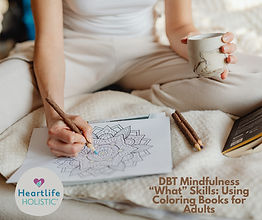

6 DBT Skills to Nurture Your Mental Health During the Holiday Rush
This post reflects how I personally use DBT skills during high-stress seasons. It is an illustration of using DBT in a lived experience. Lots of us get flustered during the busy holiday season. If you’re already coping with challenges such as grief, depression, anxiety, PTSD, or bipolar disorder, staying grounded in healthy routines becomes even more important. As I started thinking about cooking for Thanksgiving—something I usually enjoy—I noticed myself feeling unexpectedly irritable. I...

_pdf.png)
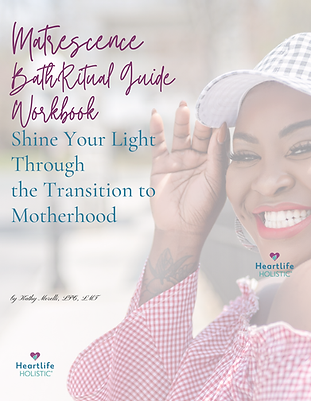
Matrescence Bath Ritual Guide & Workbook
A guided ritual for rest, reflection, and nervous system support during the transition into motherhood.
Motherhood changes us emotionally, physically, relationally, and spiritually. Yet many women move through this profound developmental transition without space to pause, reflect, or tend to themselves with care.
The Matrescence Bath Ritual was created as a gentle companion for this season of change.
This offering includes:
an 8-minute guided Matrescence reflection
a beautifully designed ritual guide & workbook
prompts for emotional processing and identity reflection
nervous system–supportive self-care practices
a quiet space to pause during the transition to motherhood