

Perinatal Mental Health
Perinatal mental health encompasses the psychological, emotional, relational, and embodied changes that occur during pregnancy and the postpartum period. While this time can be deeply meaningful, it can also include anxiety, depression, birth trauma, identity disruption, and relationship strain.
Some emotional intensity during this time is part of normal developmental transition. Other experiences may reflect perinatal mood and anxiety disorders that benefit from additional support.
All of this unfolds within the broader developmental transition into motherhood — known as matrescence. Understanding this context helps reduce shame and clarifies when support is needed.
My approach integrates evidence-based psychotherapy, attachment theory, and nervous system–informed care. Whether you are navigating mood changes, adjusting to new motherhood, or working through a difficult birth experience, support can help you find steadiness and meaning in this transition.
This section includes resources on postpartum mood disorders, birth trauma, and the developmental process of matrescence.
Pregnancy, Postpartum, and Early Parenting
The perinatal period places exceptional demand on the nervous system. Hormonal shifts, sleep disruption, medical interventions, feeding challenges, relationship changes, and evolving identity all influence emotional regulation.
During pregnancy, anticipatory anxiety, body changes, prior trauma, or medical complications may heighten stress responses. After birth, recovery, sleep deprivation, feeding patterns, and constant caregiving can strain regulation capacity.
These experiences are not signs of weakness. They reflect a nervous system adapting to sustained biological and relational intensity.
When Additional Support Is Needed
While some emotional intensity is part of the developmental transition into motherhood, more persistent or distressing symptoms may signal a perinatal mood or anxiety disorder.
Common experiences include:
Postpartum Depression
Persistent sadness, loss of interest, hopelessness, or emotional numbness may signal postpartum depression. This is not a personal weakness — it reflects nervous system depletion and sustained stress.
Postpartum Anxiety & Intrusive Thoughts Depression
Ongoing worry, panic, racing thoughts, or distressing intrusive thoughts are common during the perinatal period. When anxiety becomes overwhelming, support can help restore regulation and safety.
Birth Trauma & Post-Traumatic Stress
For some parents, pregnancy or birth can activate trauma responses such as hypervigilance, flashbacks, avoidance, or emotional shutdown. Trauma-informed care emphasizes safety, choice, and gradual nervous system repair.
Supporting Mind and Body
Perinatal mental health care is most effective when it considers both emotional experience and physiological stress. Symptoms are not just thoughts — they are shaped by the body’s ongoing response to change, sleep disruption, relationship shifts, and recovery.
Support may include psychotherapy, body-based practices, relational care, and collaboration with medical providers when needed. When both mind and body are supported, recovery becomes more accessible.
Infant Sleep & Postpartum Mood
Persistent sleep deprivation is one of the strongest contributors to postpartum mood and anxiety disorders. While night waking is developmentally normal in infancy, the cumulative impact of exhaustion can profoundly affect a parent’s emotional wellbeing.
Related in the Infant Sleep Series:
Explore a clinical review of current infant sleep approaches:
Related Areas of Support
Perinatal mental health on this site connects with other areas of care, including:
Mindfulness Ring for New Mothers
BirthTouch
Mind-Body & Somatic Therapies
Matrescence and identity development
These resources reflect an approach that honors both psychological and physiological experience.
Resources
Latest Insights + Articles


Most Popular Posts of 2018
Originally posted January 9, 2019. Happy reading! Thank you to my loving readers for visiting my humble blog! Looking back at the dynamic range of topics in the BirthTouch® blog, that touch on mental health and mindbody therapies, I thought I’d share the most popular blogs of the year. 1. DBT STOP & TIP Skills: Life is worth living even if there is pain The top top spot was claimed by an article about a very, very popular and evidence-based therapy called Dialectical Behavior Therapy, or...


6 DBT Skills to Nurture Your Mental Health During the Holiday Rush
This post reflects how I personally use DBT skills during high-stress seasons. It is an illustration of using DBT in a lived experience. Lots of us get flustered during the busy holiday season. If you’re already coping with challenges such as grief, depression, anxiety, PTSD, or bipolar disorder, staying grounded in healthy routines becomes even more important. As I started thinking about cooking for Thanksgiving—something I usually enjoy—I noticed myself feeling unexpectedly irritable. I...

_pdf.png)
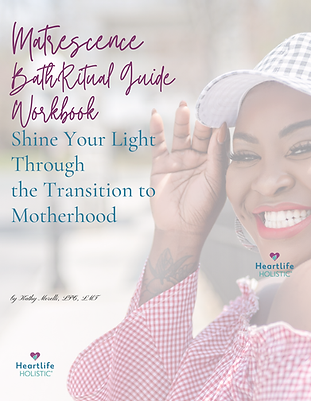
Matrescence Bath Ritual Guide & Workbook
A guided ritual for rest, reflection, and nervous system support during the transition into motherhood.
Motherhood changes us emotionally, physically, relationally, and spiritually. Yet many women move through this profound developmental transition without space to pause, reflect, or tend to themselves with care.
The Matrescence Bath Ritual was created as a gentle companion for this season of change.
This offering includes:
an 8-minute guided Matrescence reflection
a beautifully designed ritual guide & workbook
prompts for emotional processing and identity reflection
nervous system–supportive self-care practices
a quiet space to pause during the transition to motherhood