

Integrative Mental Health
A nervous system-centered approach that honors mind, body, and experience.
Integrative Mental Health: A Nervous System Approach Across the Lifespan
Integrative Mental Health is a framework that brings together evidence-based psychotherapy, trauma-informed care, nervous system regulation, and mind–body practices. Emotional suffering does not live only in thoughts or diagnoses. It lives in the nervous system — in the body, in relationships, in meaning-making, and in accumulated life experience.
At Heartlife Holistic, this framework guides both clinical and educational offerings. Healing is understood as regulation, integration, and restoration of choice — not simply symptom reduction.
This approach is especially relevant for those whose distress is layered, long-standing, or shaped by trauma, major life transitions, or cumulative stress.

What "Integrative" Means Here
Integrative mental health at Heartlife Holistic, is not eclectic or random.
It is intentional and clinically grounded, drawing from complementary modalities that work together to support nervous system health.
This includes:
Cognitive and behavioral skill-building for clarity, stabilization, and coping
Somatic and body-based approaches that address stored stress and trauma
Trauma-informed frameworks that respect pacing, safety, and autonomy
Attention to attachment, identity, and meaning across life stages
Mind–body practices that support regulation and resilience
Rather than asking, “Which method is right?”
We ask, “What does this nervous system need now?”

Who This Work Is For
This approach may resonate with those who:
Feel stuck despite insight or prior therapy
Live with anxiety, trauma, or chronic stress
Are navigating identity shifts, aging, illness, or loss
Struggle with regulation or feeling at home in their body
Want depth, not quick fixes
Are in helping professions themselves
Integrative mental health is particularly supportive for individuals whose lives reflect responsibility, resilience, and complexity — and who now find their nervous system needs care, not more effort. Integrative Mental Health is not a technique. It is a way of understanding human experience — and a way of working with it.
In my article What Makes Therapy Successful? Eight Evidence-Based Keys, I explore what decades of research reveal about how change actually happens in therapy — beyond techniques alone.
A Lifespan Perspective
Mental health does not reset at each chapter of life.
Patterns of coping, protection, and resilience accumulate.
At Heartlife Holistic, integrative mental health is understood across the lifespan, including:
Early relational experiences
Perinatal transitions
Reorganizing self concept during retirement
Adulthood stress and trauma
Midlife reorganization
Aging, meaning, and existential concerns
Integrative mental health honors that healing is not linear, performance-based, or purely cognitive. It is relational, embodied, and deeply human.
At Heartlife Holistic, this work is guided by respect for complexity, patience with process, and trust in the nervous system’s capacity to heal when given the right conditions.
Heartlife Holistic is here to support you during the most profound transitions of your life.
Namaste.


Latest Insights + Articles


Cognitive Behavioral Therapy: Healing for Your Whole Self
Many of the thoughts that cross our minds each day are automatic negative thoughts (ANT). Over time, this cognitive loop starts feeding a cycle of self-doubt and worry that's hard to break. It can leave you feeling drained, anxious, or disconnected from the things that usually bring you joy.
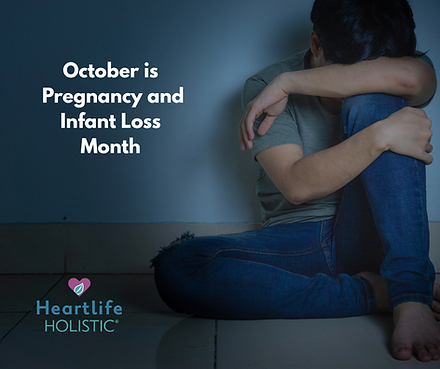
Book Review: We Were Gonna Have a Baby, but We Had an Angel Instead by Pat Schwiebert
A pregnancy loss is a primal, deep loss. And often the parents dealign with this devastating loss have other, young children who were looking forward to having a little brother or little sister. There is help available, in this time of pain, for parents who need to find ways to answer their surviving children’s questions about death and help them cope with their emotions. Pregnancy and infant loss is a family event.

Understanding Post-Traumatic Growth: Finding Strength After Adversity
Post-traumatic growth (PTG) refers to the personal development and new perspectives that can emerge after adversity. Unlike resilience, which is about bouncing back, PTG is about moving forward and discovering new strengths, values, and possibilities as a result of hardship.

Aromatherapy Benefits: A Natural Way to Support Mind, Body, and Mood
Aromatherapy is not just about making your home smell nice. It’s a holistic approach that uses natural plant extracts to promote health and well-being. When you inhale essential oils, the molecules travel through your nose and stimulate the limbic system—the part of your brain that controls emotions, memories, and arousal. This is why certain scents can instantly lift your mood or help you relax after a stressful day.

Helichrysum Essential Oil: The Immortal Oil of Healing and Restoration
Helichrysum is known as the oil of the wounded healer—both physically and emotionally. It has a unique ability to open the heart while grounding and comforting the soul. Used in energetic healing and trauma therapy, this oil encourages emotional release, forgiveness, and deep inner restoration.

Have Questions?
If you’d like clarification or additional information, feel free to reach out.