

Perinatal Mental Health
Support for pregnancy, postpartum, and the nervous system transitions of becoming a parent.
Perinatal Mental Health and the Nervous System
Perinatal mental health is not only a psychological experience. It's a full-body, nervous system experience. From preconception through pregnancy, birth, and the postpartum year, the nervous system is continuously adapting to profound biological, emotional, relational, and environmental changes. Understanding how the nervous system functions during this time is essential for supporting mental health in a way that is compassionate, effective, and trauma-informed.
This pillar explores how perinatal mood and anxiety disorders, birth-related stress, trauma, and adjustment challenges are rooted in nervous system physiology, not personal failure or lack of resilience. When we shift the focus from “What’s wrong with me?” to “What is my nervous system responding to?”, healing becomes more accessible and less stigmatizing.
Your body is part of the healing.
Support for perinatal mental health on this site is woven across several areas rather than contained in a single category. In addition to the resources shared here, you’ll find pregnancy- and postpartum-specific support within BirthTouch, as well as mind–body and somatic practices that support nervous system regulation through the Mind-Body & Somatic Therapies approach. Together, these resources reflect an integrative, trauma-informed model of care that meets parents where they are during pregnancy, postpartum, and early parenting.


Why the Nervous System Matters in the Perinatal Period
The nervous system is the body’s safety and survival system. It constantly scans for cues of safety, danger, and connection, shaping emotional states, thoughts, behaviors, and physical sensations. During the perinatal period, this system is under exceptional demand.
Hormonal shifts, sleep deprivation, identity changes, medical interventions, relational stress, and past trauma can all influence nervous system regulation. When the system becomes overwhelmed or dysregulated, symptoms such as anxiety, depression, panic, rage, dissociation, numbness, or intrusive thoughts can emerge.
These symptoms are not signs of weakness. They are adaptive responses to stress, uncertainty, and perceived threat.
Common Perinatal Mental Health Experiences Through a Nervous System Lens

Trauma and the Childbearing Year
For some individuals, pregnancy, birth, or the postpartum period can activate emotional or body-based responses related to earlier life trauma. Trauma-informed perinatal mental health care recognizes the impact of prior experiences and emphasizes safety, choice, and compassionate support. Emotional reactions during this time are not a personal failure — they are understandable responses that deserve care.
Regulation vs. Coping: A Nervous System Shift
Regulation-based care supports the nervous system first, allowing the mind to follow. Rather than focusing on staying calm or thinking differently, nervous system–informed approaches build flexibility, safety, and capacity for recovery.
Somatic and Nervous System–Informed Support
Trauma-informed perinatal mental health care often includes gentle, body-based practices that support nervous system regulation and a sense of safety.
A Compassionate Reframe
If you are struggling during pregnancy or postpartum, your nervous system is responding to something real. Your symptoms make sense in context. Healing does not require fixing yourself. It requires understanding, support, and regulation.
Perinatal mental health is not about returning to who you were before. It is about supporting your nervous system as it adapts to who you are becoming.

Smoothies & Herbal Teas for Pregnancy and the Fourth Trimester
This gentle guide includes nourishing smoothies, herbal teas, and simple reflections designed to support mothers during pregnancy and early postpartum.
Download the guide for easy ways to nourish your body during this time of change.


Latest Insights + Articles

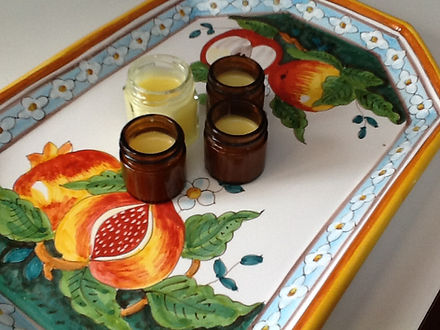
DIY Aromatherapy Chest Salve: A Soothing Winter Recipe
I love working with herbs and essential oils! Here's one of my homemade aromatherapy projects: a soothing chest salve made with beeswax, shea butter, nourishing carrier oils, eucalyptus, lavender and sweet orange. Follow along as I prepare the ingredients, melt the oils and pour the finished salve.


Valentine’s Day Relationship Skill: Both Sides Now
A gentle note: Couple’s skills are meant to support healthy connection. If something in your relationship feels confusing, belittling, or unsafe, it can be helpful to first read Is Verbal Abuse Really Abuse? before practicing communication tools. Joni Mitchell’s Both Sides Now captures something many couples struggle to name: how easily certainty hardens, and how quickly understanding slips away when emotions take over. In close relationships, moments of conflict often feel like standing...

Valentine’s Day DIY Romantic Body Massage Oil
Originally posted January 30, 2018. Banish those negative feelings! Nurturing your connection is important. It’s important to connect positively every day! Research by John Gottman, Ph.D., the grandaddy of marriage counseling, shows that for every negative interaction, five positive ones are needed to compensate to keep up a positive balance of feelings. Happy, stable marriages naturally fall into the 5:1 ratio. The good news is you can consciously make an effort to happily tease...


Ready for Support in This Season?
You don’t have to navigate pregnancy or postpartum alone. Steady, compassionate care can help you feel more regulated, supported, and connected.