

Integrative Mental Health
A nervous system-centered approach that honors mind, body, and experience.
Integrative Mental Health: A Nervous System Approach Across the Lifespan
Integrative Mental Health is a framework that brings together evidence-based psychotherapy, trauma-informed care, nervous system regulation, and mind–body practices. Emotional suffering does not live only in thoughts or diagnoses. It lives in the nervous system — in the body, in relationships, in meaning-making, and in accumulated life experience.
At Heartlife Holistic, this framework guides both clinical and educational offerings. Healing is understood as regulation, integration, and restoration of choice — not simply symptom reduction.
This approach is especially relevant for those whose distress is layered, long-standing, or shaped by trauma, major life transitions, or cumulative stress.

What "Integrative" Means Here
Integrative mental health at Heartlife Holistic, is not eclectic or random.
It is intentional and clinically grounded, drawing from complementary modalities that work together to support nervous system health.
This includes:
Cognitive and behavioral skill-building for clarity, stabilization, and coping
Somatic and body-based approaches that address stored stress and trauma
Trauma-informed frameworks that respect pacing, safety, and autonomy
Attention to attachment, identity, and meaning across life stages
Mind–body practices that support regulation and resilience
Rather than asking, “Which method is right?”
We ask, “What does this nervous system need now?”

Who This Work Is For
This approach may resonate with those who:
Feel stuck despite insight or prior therapy
Live with anxiety, trauma, or chronic stress
Are navigating identity shifts, aging, illness, or loss
Struggle with regulation or feeling at home in their body
Want depth, not quick fixes
Are in helping professions themselves
Integrative mental health is particularly supportive for individuals whose lives reflect responsibility, resilience, and complexity — and who now find their nervous system needs care, not more effort. Integrative Mental Health is not a technique. It is a way of understanding human experience — and a way of working with it.
In my article What Makes Therapy Successful? Eight Evidence-Based Keys, I explore what decades of research reveal about how change actually happens in therapy — beyond techniques alone.
A Lifespan Perspective
Mental health does not reset at each chapter of life.
Patterns of coping, protection, and resilience accumulate.
At Heartlife Holistic, integrative mental health is understood across the lifespan, including:
Early relational experiences
Perinatal transitions
Reorganizing self concept during retirement
Adulthood stress and trauma
Midlife reorganization
Aging, meaning, and existential concerns
Integrative mental health honors that healing is not linear, performance-based, or purely cognitive. It is relational, embodied, and deeply human.
At Heartlife Holistic, this work is guided by respect for complexity, patience with process, and trust in the nervous system’s capacity to heal when given the right conditions.
Heartlife Holistic is here to support you during the most profound transitions of your life.
Namaste.


Latest Insights + Articles


Lavender Essential Oil: The Soothing Scent of Tranquility
Introducing lavender essential oil unveils a serene and transformative experience, inviting harmony within. The gentle and soothing fragrance of lavender evokes tranquility, while its versatile properties, including relaxation and tension reduction, offer a sense of protection and clarity to those navigating life's boundaries.

Dr. John Gottman: What Predicts Divorce?
Dr. John Gottman’s work is based on 20 years of research, studying couples as they lvie together in a naturalistic environment. Gottman's work is clear, evidence-based information distilled from his many years of research about what predicts divorce.
Changing your own emotional and communication dynamics is not easy.

Research: Reiki and Psychophysiological Regulation
Reiki is a system of natural healing techniques whereby the practitioner taps into the universal energy field and also interacts with the human bioenergy field. It’s not based on religious beliefs, it’s actually a bioenergetic phenomena. Reiki does has a philosophy of love and acceptance associated with its practice, however, it doesn’t interfere with or replace any religious belief systems.
Why Mental Health Awareness Matters
Mental health is something we all have, yet it often feels like a hidden part of our well-being. But over the years, I’ve learned mental health is about thriving, growing, and living fully. That’s why mental health awareness is so important. It opens doors to understanding, compassion, and practical support that can transform lives.
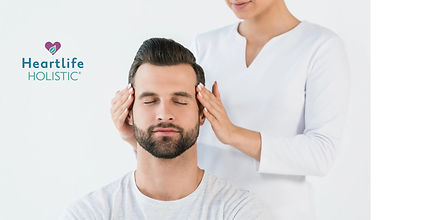
Reiki in Healthcare
Reiki is a Japanese touch-based practice developed in the early twentieth century. Reiki is a Japanese touch-based practice developed in the early twentieth century by Mikao Usui. While traditionally described in energetic terms, contemporary healthcare settings understand Reiki primarily as a complementary modality that supports relaxation and stress recovery. Reiki is now offered in integrative health programs across the United States, including Memorial Sloan Kettering Cancer Center, Mayo...

Have Questions?
If you’d like clarification or additional information, feel free to reach out.