

Mindfulness & Movement Practices
Mindfulness is not about clearing the mind or forcing calm. In this guide, mindfulness is understood as a practical, nervous system–informed way of noticing experience with steadiness, curiosity, and compassion.
Mindfulness and movement practices build embodied awareness through attention, breath, and physical rhythm. These approaches, such as Mindful Walking, Mindful Driving, Mindful Eating, Pilates, yoga, Tai Chi.. all support emotional steadiness, stress recovery, and integration by engaging both mind and body in coordinated practice. Over time, repetition strengthens capacity for presence, flexibility, and regulation.
Mindfulness practices are used to support emotional regulation, trauma recovery, and resilience across the lifespan. These practices are grounded, accessible, and adaptable—especially for people who feel overwhelmed, disconnected from their bodies, or unsure where to begin.
This mindfulness guide reflects an integrative mental health approach that works with both mind and nervous system rather than techniques alone.
Mindfulness & Movement is one of several body-based practices explored in our Mind–Body & Somatic Therapies pillar, which focuses on supporting nervous system regulation through gentle, embodied tools.
Most people struggle to manage their emotions and that is ok.
Mindfulness is a skill that is low cost, effective and supports positive relationships with yourself and others.
Latest Insights + Articles

8 Mental Health Tips to Avoid Holiday Stress
The holiday season can be joyful — and it can also be exhausting, emotional, and overwhelming. If you’re feeling stretched thin, you’re not doing anything wrong. Holiday stress is common, and there are gentle ways to take care of yourself without forcing cheer or perfection. 1. Be Kind to Yourself Start by noticing your inner dialogue. If your self-talk becomes harsh or critical, pause and ask yourself: Would I say this to a friend I care about? If the answer is no, gently reframe the...

May Is Mental Health Awareness Month: Depression, Prevalence & Stigma
May is Mental Health Awareness Month. And yet, for something that affects so many people, it can still feel strangely invisible. According to the World Health Organization, depression is one of the leading causes of disability worldwide. Just a few decades ago, it ranked much lower. The rise is not because people are weaker—it’s because we are finally measuring and naming what has always been there. Former WHO Director-General Margaret Chan called these statistics “a wake-up call” for...

DBT Distress Tolerance Skills: An Overview
DBT Distress Tolerance is about Expanding Your Nervous System's Window of Tolerance What Are Distress Tolerance Skills in DBT? Distress tolerance skills are a core part of Dialectical Behavior Therapy (DBT) and are designed to help people cope during moments of intense emotional pain or crisis. When emotions feel overwhelming and a situation cannot be immediately resolved, distress tolerance skills offer practical ways to get through the moment safely without making things worse. Rather than...

DBT: Wise Mind -Walk the Middle Way
Consciously making decisions from Wise Mind can help you live from a place of emotional balance. It’s not about being perfect, it’s about stopping, thinking and giving yourself breathing room to assess your thoughts and feelings from both a logical and emotional perspective before you make a decision or before you act.


_pdf.png)
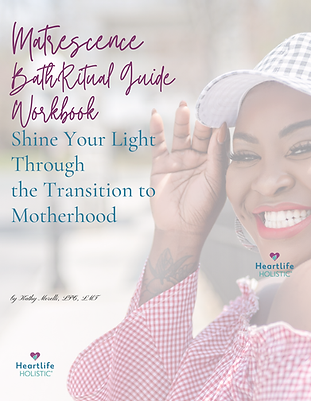
Matrescence Bath Ritual Guide & Workbook
A guided ritual for rest, reflection, and nervous system support during the transition into motherhood.
Motherhood changes us emotionally, physically, relationally, and spiritually. Yet many women move through this profound developmental transition without space to pause, reflect, or tend to themselves with care.
The Matrescence Bath Ritual was created as a gentle companion for this season of change.
This offering includes:
an 8-minute guided Matrescence reflection
a beautifully designed ritual guide & workbook
prompts for emotional processing and identity reflection
nervous system–supportive self-care practices
a quiet space to pause during the transition to motherhood