

Perinatal Mental Health
Support for pregnancy, postpartum, and the nervous system transitions of becoming a parent.
Perinatal Mental Health and the Nervous System
Perinatal mental health is not only a psychological experience. It's a full-body, nervous system experience. From preconception through pregnancy, birth, and the postpartum year, the nervous system is continuously adapting to profound biological, emotional, relational, and environmental changes. Understanding how the nervous system functions during this time is essential for supporting mental health in a way that is compassionate, effective, and trauma-informed.
This pillar explores how perinatal mood and anxiety disorders, birth-related stress, trauma, and adjustment challenges are rooted in nervous system physiology, not personal failure or lack of resilience. When we shift the focus from “What’s wrong with me?” to “What is my nervous system responding to?”, healing becomes more accessible and less stigmatizing.
Your body is part of the healing.
Support for perinatal mental health on this site is woven across several areas rather than contained in a single category. In addition to the resources shared here, you’ll find pregnancy- and postpartum-specific support within BirthTouch, as well as mind–body and somatic practices that support nervous system regulation through the Mind-Body & Somatic Therapies approach. Together, these resources reflect an integrative, trauma-informed model of care that meets parents where they are during pregnancy, postpartum, and early parenting.


Why the Nervous System Matters in the Perinatal Period
The nervous system is the body’s safety and survival system. It constantly scans for cues of safety, danger, and connection, shaping emotional states, thoughts, behaviors, and physical sensations. During the perinatal period, this system is under exceptional demand.
Hormonal shifts, sleep deprivation, identity changes, medical interventions, relational stress, and past trauma can all influence nervous system regulation. When the system becomes overwhelmed or dysregulated, symptoms such as anxiety, depression, panic, rage, dissociation, numbness, or intrusive thoughts can emerge.
These symptoms are not signs of weakness. They are adaptive responses to stress, uncertainty, and perceived threat.
Common Perinatal Mental Health Experiences Through a Nervous System Lens

Trauma and the Childbearing Year
For some individuals, pregnancy, birth, or the postpartum period can activate emotional or body-based responses related to earlier life trauma. Trauma-informed perinatal mental health care recognizes the impact of prior experiences and emphasizes safety, choice, and compassionate support. Emotional reactions during this time are not a personal failure — they are understandable responses that deserve care.
Regulation vs. Coping: A Nervous System Shift
Regulation-based care supports the nervous system first, allowing the mind to follow. Rather than focusing on staying calm or thinking differently, nervous system–informed approaches build flexibility, safety, and capacity for recovery.
Somatic and Nervous System–Informed Support
Trauma-informed perinatal mental health care often includes gentle, body-based practices that support nervous system regulation and a sense of safety.
A Compassionate Reframe
If you are struggling during pregnancy or postpartum, your nervous system is responding to something real. Your symptoms make sense in context. Healing does not require fixing yourself. It requires understanding, support, and regulation.
Perinatal mental health is not about returning to who you were before. It is about supporting your nervous system as it adapts to who you are becoming.

Smoothies & Herbal Teas for Pregnancy and the Fourth Trimester
This gentle guide includes nourishing smoothies, herbal teas, and simple reflections designed to support mothers during pregnancy and early postpartum.
Download the guide for easy ways to nourish your body during this time of change.


Latest Insights + Articles

Cognitive Behavioral Therapy: Healing for Your Whole Self
Many of the thoughts that cross our minds each day are automatic negative thoughts (ANT). Over time, this cognitive loop starts feeding a cycle of self-doubt and worry that's hard to break. It can leave you feeling drained, anxious, or disconnected from the things that usually bring you joy.
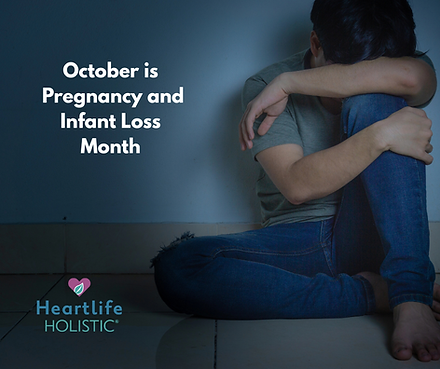
Book Review: We Were Gonna Have a Baby, but We Had an Angel Instead by Pat Schwiebert
A pregnancy loss is a primal, deep loss. And often the parents dealign with this devastating loss have other, young children who were looking forward to having a little brother or little sister. There is help available, in this time of pain, for parents who need to find ways to answer their surviving children’s questions about death and help them cope with their emotions. Pregnancy and infant loss is a family event.

Unveiling the Ancient Roots of Yoga and Its Impact on Mindbody Therapy for Self-Care and Mental Health
Today, yoga plays a vital role in mindbody therapy and is integrated into various therapeutic practices. Research shows that consistent yoga practice can effectively reduce symptoms of anxiety, depression, and stress, common issues in modern life.

Aromatherapy Benefits: A Natural Way to Support Mind, Body, and Mood
Aromatherapy is not just about making your home smell nice. It’s a holistic approach that uses natural plant extracts to promote health and well-being. When you inhale essential oils, the molecules travel through your nose and stimulate the limbic system—the part of your brain that controls emotions, memories, and arousal. This is why certain scents can instantly lift your mood or help you relax after a stressful day.

Helichrysum Essential Oil: The Immortal Oil of Healing and Restoration
Helichrysum is known as the oil of the wounded healer—both physically and emotionally. It has a unique ability to open the heart while grounding and comforting the soul. Used in energetic healing and trauma therapy, this oil encourages emotional release, forgiveness, and deep inner restoration.


Ready for Support in This Season?
You don’t have to navigate pregnancy or postpartum alone. Steady, compassionate care can help you feel more regulated, supported, and connected.